Washing Machine Repair: Troubleshooting Tips and Expert Advice
Has your washing machine suddenly stopped working, leaving you with a pile of dirty laundry and a disrupted routine? Don’t panic! While a malfunctioning washing machine can be incredibly frustrating, troubleshooting common issues can often save you time, money, and hassle. In this comprehensive guide, the team at Electrical & Gas Care provides expert advice and practical troubleshooting tips to help you understand and potentially fix the most common problems your washing machine may face.
From baffling strange noises to frustrating leaks and stubborn spin issues, we’ll cover it all. Our experts have compiled step-by-step troubleshooting techniques tailored for both top-loader and front-loader machines. You’ll find answers to many of your questions here, empowering you to tackle simple fixes yourself.
While our goal is to help you resolve straightforward issues and potentially avoid an immediate service call, we will also guide you on when professional expertise from a qualified engineer is truly essential for safe and lasting repairs. Plus, we’ll share valuable tips on preventative maintenance to keep your washing machine running smoothly and efficiently for years to come.
Don’t let a faulty washing machine throw your daily life off track. Read on to find out how to tackle common washing machine problems and keep your laundry routine on track.
Common Washing Machine Problems and How to Tackle Them
Washing machines are an essential part of our daily lives, and when they stop working, it can be incredibly frustrating. Understanding the common problems that arise can help you diagnose the issue quickly, attempt a DIY fix where safe, and know exactly when to call in the experts.
Safety Note: Before attempting any internal checks, always unplug your washing machine from the power socket and turn off the water supply taps.
1. Strange Noises (Banging, Grinding, Squealing, Rattling)
One of the most noticeable signs that something is wrong is when your washing machine starts making unusual noises. These can range from a dull thud to a high-pitched squeal.
- Common Causes:
- Loose objects (coins, keys, small clothing items) trapped in the drum or pump filter.
- Unbalanced load.
- Worn drum bearings.
- Faulty motor.
- Loose or faulty drive belt.
- Damaged shock absorbers.
- DIY Troubleshooting & Fixes:
- Check for Loose Objects: Before anything else, unplug the machine. Open the drum and carefully inspect for any foreign objects that may have fallen out of pockets. Also, check the drain pump filter (refer to your manual for its location, usually at the bottom front).
- Redistribute the Load: If the noise occurs during the spin cycle, try stopping the machine and redistributing the laundry evenly inside the drum. Overloading or an unbalanced load is a common cause of banging noises.
- Check Levelling: Ensure the washing machine is perfectly level. Uneven feet can cause rattling or vibrations. Adjust the levelling feet as needed.
When to Call a Professional (Electrical & Gas Care):
- If, after checking for loose objects and redistributing the load, the strange noises persist.
- If you hear grinding, squealing, or persistent banging, which could indicate worn drum bearings, a faulty motor, or a damaged drive belt/shock absorbers. These are complex internal components that require specialized tools and expertise to inspect or replace safely. Contact Electrical & Gas Care for an accurate diagnosis and repair.
2. Leaks
Noticing water pooling around your washing machine requires immediate attention to prevent further damage to your flooring and home.
- Common Causes:
- Faulty or loose supply/drain hoses.
- Damaged door seal/gasket.
- Clogged drain pump or filter.
- Faulty water inlet valve.
- Cracked drum or tub.
- DIY Troubleshooting & Fixes:
- Cut Power & Water: Immediately unplug the washing machine and turn off both hot and cold water supply taps.
- Inspect Hoses: Carefully check the water inlet hoses (connected to your wall taps) and the drain hose (leading to your drainpipe) for any visible signs of cracks, kinks, or loose connections. Tighten any loose fittings. If a hose is visibly damaged, you can likely replace it yourself (ensure you purchase the correct type and size).
- Check Door Seal (Gasket): Open the door and meticulously inspect the rubber door seal (gasket) for any tears, mould buildup, or trapped foreign objects (like hairpins or coins) that could be breaking the seal. Clean the seal thoroughly with a damp cloth.
- Inspect Drain Pump Filter: As covered in “Troubleshooting Tips” below, a clogged drain pump filter can cause water to back up and leak. Check and clean this filter thoroughly.
- When to Call a Professional (Electrical & Gas Care):
- If, after checking hoses, door seal, and the drain filter, the leak persists.
- If the leak appears to be coming from inside the machine (e.g., from the bottom during a cycle), indicating a potentially cracked drum, a faulty water inlet valve, or a serious internal pipe issue.
- If you’re unsure about replacing a hose or cannot locate the source of the leak.
- For Electrical & Gas Care to safely diagnose and fix complex leaks and prevent further damage to your appliance and home.
3. Spin Issues (Machine Not Spinning or Clothes Coming Out Wet)
If your clothes are still dripping wet after a cycle, or the machine isn’t spinning at all, it’s a clear sign of a problem with the spin mechanism or draining.
- Common Causes:
- Unbalanced load.
- Clogged drain pump filter (preventing water removal, thus no spin).
- Worn drive belt.
- Malfunctioning motor.
- Faulty lid switch (for top-loaders) or door lock (for front-loaders).
- Control board issues.
- DIY Troubleshooting & Fixes:
- Redistribute Load: First, try stopping the machine, taking out some items if overloaded, and evenly distributing the remaining laundry. An unbalanced load is the most common reason a machine won’t spin, especially in older models.
- Check Drain Pump Filter: As detailed in “Troubleshooting Tips” below, a clogged filter often prevents the machine from draining water properly, which in turn prevents it from entering the high-speed spin cycle. Clean it thoroughly.
- Inspect Lid/Door Switch: For top-loaders, ensure the lid switch is functioning correctly (it tells the machine the lid is closed). For front-loaders, ensure the door is fully latched and the door lock mechanism is engaging.
- When to Call a Professional (Electrical & Gas Care):
- If, after balancing the load and cleaning the drain filter, the machine still won’t spin or leaves clothes soaking wet.
- If you suspect a worn-out drive belt (which requires accessing the back of the machine), a malfunctioning motor, or a faulty door lock/lid switch.
- If the issue seems electronic, potentially related to the control board.
- These issues often require specialised knowledge and tools. Electrical & Gas Care engineers can quickly diagnose and resolve complex spin issues.
Troubleshooting Tips for Washing Machine Issues (General)
Now that we’ve covered some common washing machine problems, let’s dive into general troubleshooting tips that can help you identify and potentially fix these issues, or at least gather crucial information for a professional.
1. Check Power Supply and Settings Before jumping to any conclusions, always start with the basics.
- Power: Ensure your washing machine is properly connected to a functioning power supply. Check the power cord for any visible signs of damage and ensure it’s securely plugged into a working outlet. Also, check your home’s circuit breaker for the washing machine; reset it if it has tripped.
- Settings: Double-check that you’ve selected the appropriate wash cycle, temperature, and spin speed for your laundry. Sometimes, an accidental change in settings can cause the machine to stop working or behave abnormally.
2. Clean the Drain Pump Filter A clogged filter or drain pump is a surprisingly common culprit for various issues, especially drainage and spin problems.
- Location: Refer to your washing machine’s user manual to locate the drain pump filter (it’s often at the bottom front, behind a small access panel).
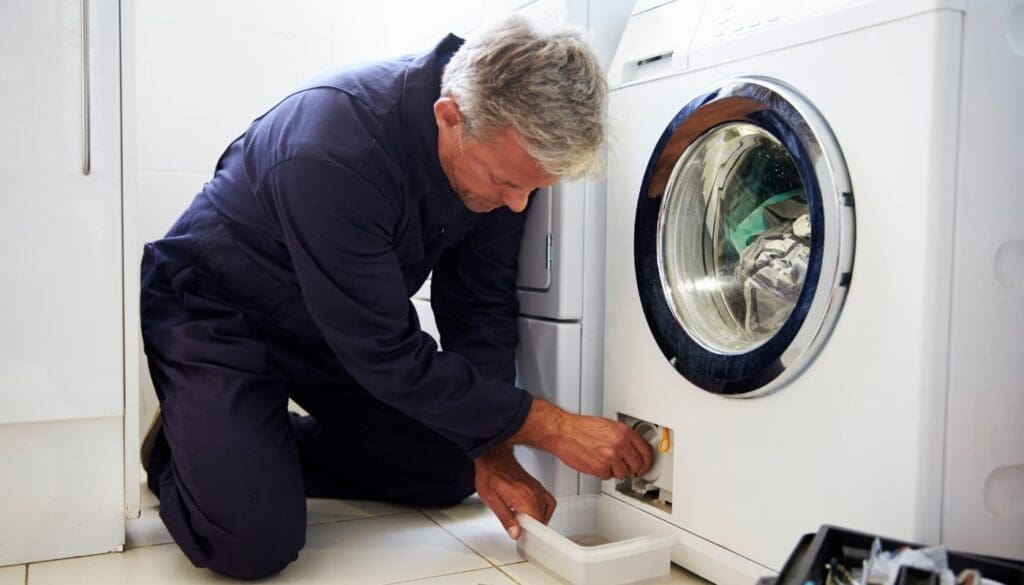
- Cleaning Process: Place a shallow tray or towels underneath, as some water will likely drain out. Unscrew or unclip the filter and carefully remove any debris, lint, coins, or foreign objects that may be obstructing the flow of water.
- Test: Once cleaned, secure the filter back in place and run a test cycle (e.g., a rinse and spin cycle) to check if the issue has been resolved. Regularly cleaning this filter can prevent many future problems and keep your washing machine running smoothly.
3. Inspect the Hoses and Water Inlet Valve Problems with water supply or drainage often stem from these components.
- Hose Inspection: Turn off the water supply to the machine. Inspect both the hot and cold water inlet hoses (connected to the back of the machine) and the drain hose for any visible signs of damage, such as cracks, leaks, or kinks. Tighten any loose connections. Replace any damaged hoses immediately to prevent water leakage and potential flooding.
- Water Inlet Valve: The water inlet valve controls the flow of water into the washing machine. If your machine isn’t filling with water, or is filling slowly, this could be the culprit. Check the screens inside the water inlet connections for blockages. However, if the valve itself is faulty or not functioning correctly, replacing it can be complex and is often best left to a professional Electrical & Gas Care engineer.
When to Call a Professional for Washing Machine Repair: Don’t Risk It!
While our troubleshooting tips can empower you to handle many minor washing machine issues, there are critical instances when it’s not just advisable, but essential, to call in professional expertise. Attempting repairs in these situations without the proper training and tools can lead to further damage, voided warranties, or even serious safety hazards.
Here are the key situations where you should absolutely consider contacting Electrical & Gas Care for your washing machine repair:
- Electrical or Motor Problems (Safety First!) If you suspect your washing machine has any electrical faults, exposed wiring, burning smells, or issues with its motor (e.g., it’s humming but not turning, or not running at all), it’s crucial to seek professional help immediately. Dealing with electrical components is inherently dangerous and can lead to electric shock, fire, or severe appliance damage if not handled by a qualified expert. Our Electrical & Gas Care engineers have the specific training, diagnostic tools, and experience to safely diagnose and repair complex electrical and motor issues, ensuring compliance with all safety standards and giving you complete peace of mind.
- Warranty Coverage: If your washing machine is still under the manufacturer’s warranty, it is highly advisable to contact the manufacturer or an authorised service centre (which may include a reputable company like Electrical & Gas Care, depending on the brand). Attempting to repair the machine yourself, or engaging an unauthorised technician, may void your warranty, leaving you responsible for all future repair costs, even if they would have been covered. Always check your warranty documentation first to take advantage of included benefits and ensure repairs are performed using genuine parts.
- Complex Repairs Beyond Your Expertise: Washing machines are sophisticated appliances with numerous interconnected mechanical and electronic components. If you’re unsure about how to fix a specific problem, the repair seems overly complex, or you simply lack the necessary knowledge and experience with internal appliance mechanics, it’s best to seek professional assistance. Attempting DIY repairs without proper understanding can lead to further damage, increase repair costs, or even create new problems.
- Recurring Issues or Persistent Problems: If you find yourself repeatedly troubleshooting and trying to fix the same problem, or if the initial DIY fix doesn’t last, it’s a strong indication of a deeper, underlying issue that needs a professional diagnosis. Our Electrical & Gas Care engineers can accurately pinpoint the root cause and provide a lasting, effective solution.
Don’t let a faulty washing machine become a safety hazard or an ongoing headache. For professional, reliable, and safe washing machine repair services across South Wales, trust the experts at Electrical & Gas Care.
Conclusion: Mastering Washing Machine Care for a Smooth Laundry Routine
Mastering the troubleshooting techniques and maintenance advice provided in this article is key to preserving your washing machine’s efficiency and extending its lifespan. By applying these insights, you can promptly and effectively address many common issues, potentially saving both time and money on professional repairs. You’re now equipped to take more control of your washing machine’s care, from diagnosing strange noises to proactively managing leaks and spin issues.
With this knowledge, you can ensure a smoother, more uninterrupted laundry routine, providing you with both convenience and peace of mind.
However, remember the critical distinction: while DIY fixes are empowering for minor issues, complex electrical, motor, or internal component problems, or any safety concerns, always warrant professional intervention.
Need Expert Washing Machine Repair in South Wales? Contact Electrical & Gas Care!
Don’t let a stubborn washing machine disrupt your daily life or compromise your home’s safety. If you’re in doubt about a repair, or if the problem is beyond the scope of DIY troubleshooting, trust the experts.
For reliable, safe, and efficient washing machine repair services across South Wales, reach out to Electrical & Gas Care. Our qualified engineers are ready to diagnose and fix your appliance, getting your laundry routine back on track quickly.